Affordable Eco-Friendly Ecommerce Packaging Guide
eco-friendly ecommerce packaging is no longer a luxury; it’s becoming a necessity. Shoppers are more aware than ever of the environmental impact of their purchases, and packaging is often the very first impression they get of your brand. But here’s the burning question: how can small and medium e-commerce businesses switch to sustainable packaging without overspending?
When customers open a package, they don’t just see the product — they notice the box, the fillers, and whether it feels wasteful or thoughtful. In fact, recent studies show that nearly 70% of consumers in the US and UK prefer to buy from brands that actively use eco-friendly packaging. This means your packaging choice isn’t just about wrapping your product, it’s about branding, loyalty, and trust. For a complete picture of how packaging aligns with overall e-commerce strategies, you can check resources like E-commerce SEO for Beginners.
But is sustainable packaging always expensive? The short answer is no. The real challenge is not whether eco-friendly options exist, but how to identify the right materials, suppliers, and designs that balance sustainability with affordability. This guide will show you how to achieve eco-conscious packaging without breaking the bank, while also boosting your brand’s credibility in a crowded online marketplace.



Why Eco-Friendly Ecommerce Packaging Matters
Consumer Demand for Sustainability
Customers increasingly expect businesses to take responsibility for their environmental footprint. Packaging waste contributes massively to global pollution, and eco-conscious buyers actively support brands with greener practices.
Brand Reputation and Loyalty
Adopting eco-friendly ecommerce packaging boosts brand image. When consumers see that a company values sustainability, it helps build trust, increases repeat purchases, and even encourages word-of-mouth marketing.
Legal and Regulatory Pressures
Governments in the US, UK, and EU are implementing stricter packaging and waste management regulations. Businesses that adapt early avoid compliance issues and costly fines.
Affordable Sustainable Packaging Ideas
1. Use Recyclable Materials
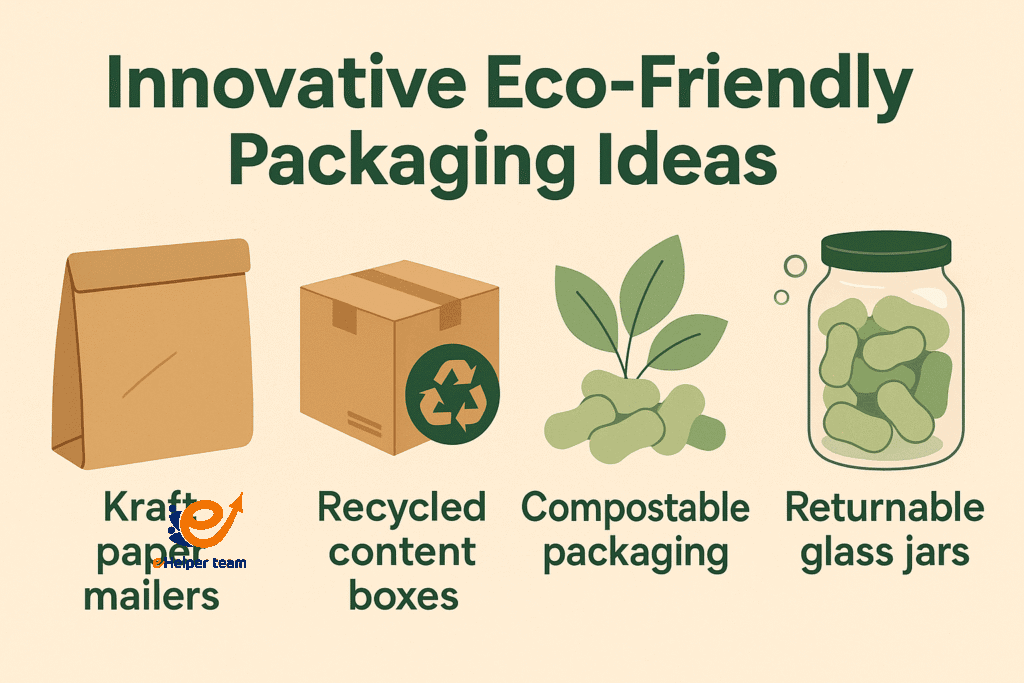
Materials like corrugated cardboard, kraft paper, and paper-based tape are cost-effective, widely available, and easily recyclable.
2. Minimize Packaging Waste
Avoid oversized boxes. Use packaging that fits your products snugly. Less material means lower costs and reduced environmental impact.
3. Consider Compostable Options
Compostable mailers made from cornstarch or PLA are increasingly affordable. They break down naturally, reducing landfill waste.
4. Reusable Packaging
Encourage customers to reuse boxes or bags. This not only reduces waste but also promotes brand visibility when packaging is repurposed.
Branding with Eco-Friendly Packaging
Green Doesn’t Mean Boring
Sustainable packaging can be creative and attractive. Brands can print eco-friendly logos, slogans, or educational messages directly on boxes, reminding customers of the environmental value of their purchase.
Custom Inserts
Add thank-you cards printed on recycled paper, or QR codes leading to sustainability pledges and brand stories.
Minimalist Aesthetic
Eco-friendly designs often embrace minimalism, which can be chic and modern while also saving on ink and materials.
Balancing Budget and Sustainability
Choosing the Right Suppliers
Some suppliers specialize in affordable eco-friendly packaging. Ordering in bulk reduces per-unit costs significantly.
Packaging as a Marketing Tool
Packaging can double as a marketing channel, boosting customer experience while cutting down on additional advertising spend.
Leverage Ecommerce Platforms
If you’re still deciding on your platform, read this guide on Choosing Ecommerce Platform in 2024. The right platform often offers integrations with suppliers and eco-friendly solutions.
Real-World Examples of Budget-Friendly Eco Packaging
Small Apparel Brand: Replaced plastic poly mailers with kraft paper mailers, reducing costs by 12%.
Local Artisan Shop: Switched to recycled tissue paper for wrapping, saving on branded packaging.
Electronics Retailer: Downsized boxes to exact product dimensions, cutting shipping costs and material use.
Comparison Table: Affordable Eco-Friendly Materials
| Material | Cost Effectiveness | Sustainability | Best Use Case |
|---|---|---|---|
| Corrugated Cardboard | High | Recyclable | Shipping Boxes |
| Kraft Paper | High | Biodegradable | Wrapping & Fillers |
| Compostable Mailers | Medium | Compostable | Apparel & Soft Goods |
| Paper Tape | High | Recyclable | Sealing Packages |
| Recycled Tissue | Medium | Biodegradable | Product Wrapping |
External Knowledge Reference
Studies have shown that packaging waste contributes significantly to environmental problems such as plastic pollution and landfill overflow. You can learn more about packaging waste and sustainability from this resource (without mentioning the source name explicitly in-text).
Practical Tips to Start Today
Audit your current packaging usage and identify wasteful areas.
Test one sustainable material at a time instead of switching everything at once.
Survey customers for feedback on eco-packaging initiatives.
Use packaging as part of your marketing story on social media.
Legal Considerations Before You Switch
Before finalizing your eco-packaging solutions, make sure you comply with local packaging and labeling regulations. You can explore more insights in this guide on Ecommerce Legal Requirements.
The Psychology Behind Eco-Friendly Ecommerce Packaging
Customers don’t just buy products — they buy experiences. The unboxing moment is critical in e-commerce, and packaging plays a big psychological role.
Perceived Value: Eco-friendly ecommerce packaging often signals higher quality and care. Shoppers equate sustainable practices with ethical business standards.
Trust and Loyalty: When a package arrives with recyclable materials and minimal waste, customers feel respected. This small act creates long-term loyalty.
Word of Mouth Marketing: Eco-packaging is “Instagram-worthy.” Customers love sharing eco-conscious purchases online, giving your brand free marketing exposure.
Practical Cost-Saving Hacks for Eco-Friendly Packaging
Transitioning to green packaging doesn’t have to strain your budget. Here are some smart hacks:
Bulk Purchasing – Buying materials in larger quantities often reduces costs by 20–30%.
Dual-Purpose Packaging – Design packaging that works as both a shipping container and a storage box for customers.
Local Suppliers – Source from nearby vendors to reduce shipping costs and carbon footprint.
Digital Inserts – Replace paper thank-you notes with QR codes that link to digital messages.
In-House Recycling – Reuse returned boxes or shredded paper as filler material.
Case Study: IKEA’s Sustainable Packaging Initiative
IKEA has been a global leader in eco-friendly packaging. They replaced polystyrene foam with packaging made from mushrooms (mycelium). This innovative material is compostable and just as sturdy as traditional foam.
For IKEA, the benefits were twofold: reduced environmental impact and improved brand reputation. Customers saw IKEA as an innovator and a company truly committed to sustainability. This case study shows that eco-packaging is not just about saving costs, it’s about winning customer trust at scale.
Future Trends in Eco-Friendly Ecommerce Packaging
1. Smart Packaging
Future packaging will include QR codes and NFC tags that provide recycling instructions or sustainability data.
2. Plant-Based Materials
Expect a rise in packaging made from seaweed, sugarcane, or hemp fibers — durable, affordable, and biodegradable.
3. Minimalism with Style
Brands will continue embracing minimalist packaging that reduces ink use and material waste, while remaining visually appealing.
4. Returnable Packaging
Some companies are testing returnable shipping boxes customers can send back for reuse.
Challenges and Misconceptions About Eco-Friendly Ecommerce Packaging
Despite its growing popularity, eco-friendly ecommerce packaging comes with certain challenges:
Misconception: It’s always more expensive
Many businesses assume green packaging is costly. In reality, reducing waste and resizing boxes often lowers costs.Challenge: Supply Chain Limitations
Not all regions have access to affordable sustainable materials. Companies may need to research alternative suppliers.Misconception: Customers Don’t Care About Packaging
Surveys consistently show packaging influences buying decisions. Ignoring eco-packaging means losing a segment of eco-conscious buyers.Challenge: Balancing Aesthetics and Sustainability
Some businesses fear eco-materials will look dull. However, with smart design and branding, eco-packaging can look premium.
Marketing Strategies with Eco-Friendly Packaging
Eco-friendly ecommerce packaging isn’t just functional — it’s a marketing opportunity:
Storytelling on Packaging
Share your sustainability journey through short printed messages or QR codes.Eco Badges and Certifications
Display eco-certifications (like FSC, Green Seal) on packaging to boost credibility.Social Media Unboxing Campaigns
Encourage customers to post eco-friendly unboxing videos, promoting your brand organically.Loyalty Programs Linked to Sustainability
Offer discounts or points to customers who return or recycle packaging.
Measuring the ROI of Eco-Friendly Packaging
Businesses often ask: “How do I know eco-friendly ecommerce packaging is paying off?” Here are key metrics:
Reduced Shipping Costs: Smaller packaging reduces carrier fees.
Customer Retention: Measure repeat orders after introducing eco-packaging.
Brand Sentiment: Track social media mentions and customer feedback.
Waste Reduction Savings: Calculate costs saved from less material usage.
Marketing Reach: Value earned media from unboxing videos and social shares.
Step-by-Step Guide to Implementing Eco-Friendly Packaging
Audit Your Current Packaging
Identify wasteful or oversized materials.Research Affordable Suppliers
Look for local vendors or wholesalers specializing in recyclable materials.Start Small
Test eco-friendly options with one product line before a full rollout.Train Staff
Ensure your team knows how to use new materials correctly.Communicate with Customers
Highlight your green initiative in product listings and emails.Track Performance
Collect customer feedback and analyze cost savings monthly.
FAQs About Eco-Friendly Ecommerce Packaging
Q1: Is eco-friendly ecommerce packaging more expensive than regular packaging?
Not necessarily. By minimizing waste and using recyclable materials, many businesses actually cut costs.
Q2: Can eco-friendly packaging still look premium?
Yes. Minimalist, eco-conscious designs often appear more modern and appealing to customers.
Q3: What materials are best for sustainable packaging?
Corrugated cardboard, kraft paper, and compostable mailers are among the most affordable and sustainable.
Q4: How can packaging improve branding?
By printing eco-friendly messages, thank-you notes, or QR codes, you turn packaging into a marketing tool.
Q5: How do I ensure compliance with eco-packaging laws?
Check regional guidelines and consult resources on e-commerce regulations to avoid legal issues.
Conclusion
Eco-friendly ecommerce packaging isn’t just good for the planet — it’s good for your brand and your bottom line. With affordable options like recyclable cardboard, kraft paper, and compostable mailers, businesses can reduce costs while enhancing customer loyalty. The key is to start small, experiment with materials, and communicate your commitment to sustainability with every order shipped.